
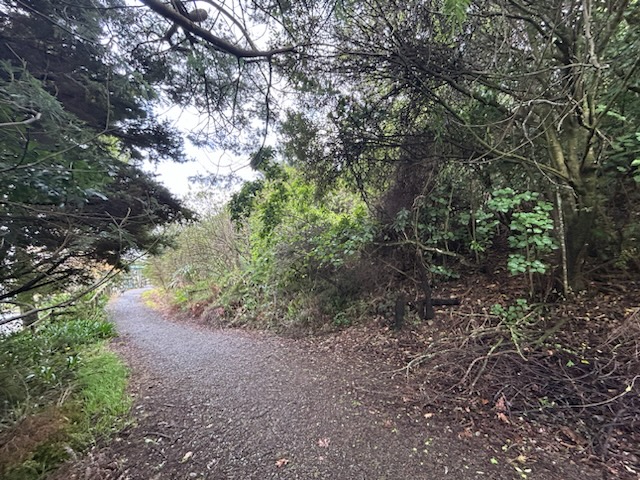
The Karaka Track is a tramping track leaving from Thames and connecting to other long tracks on the Peninsula. TEA has begun a project to clean up its entrance, including the carpark area and driveway to the start of the trail. You can read more about the Karaka Track on the DoC site.
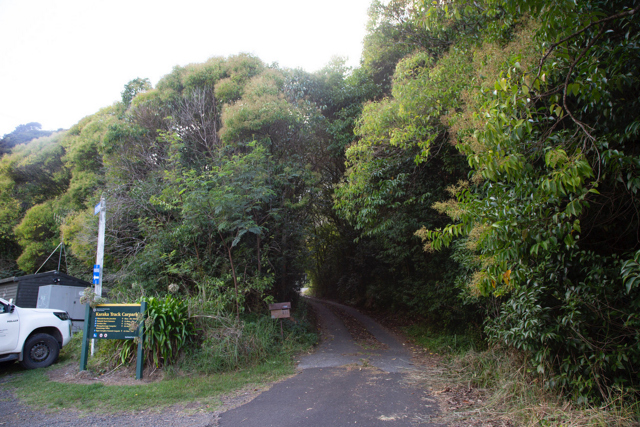
Thanks to local professionals from Predator Free Hauraki-Coromandel and Courty’s Garden Bags, many volunteer hours and two working bees with the Thames Mountain Bike Club, the entrance has a new appearance . . . but (though weed-free) the clear-felled look definitely isn’t the end game! Read on . . .
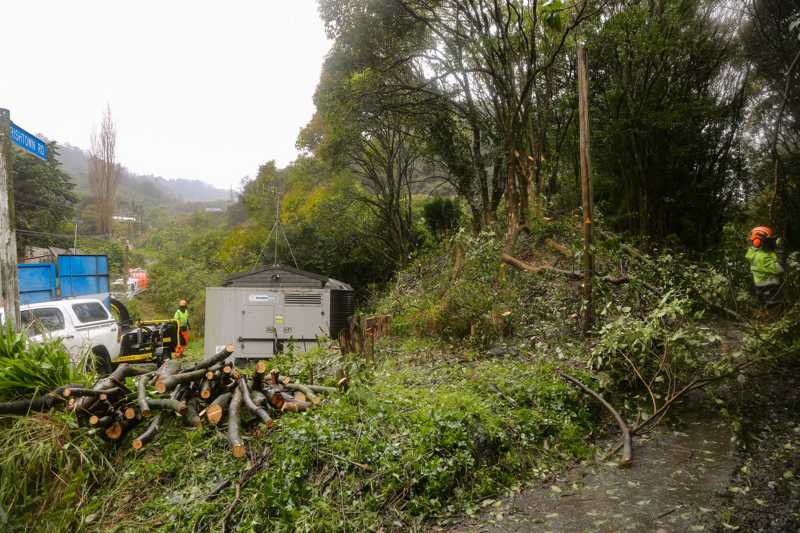
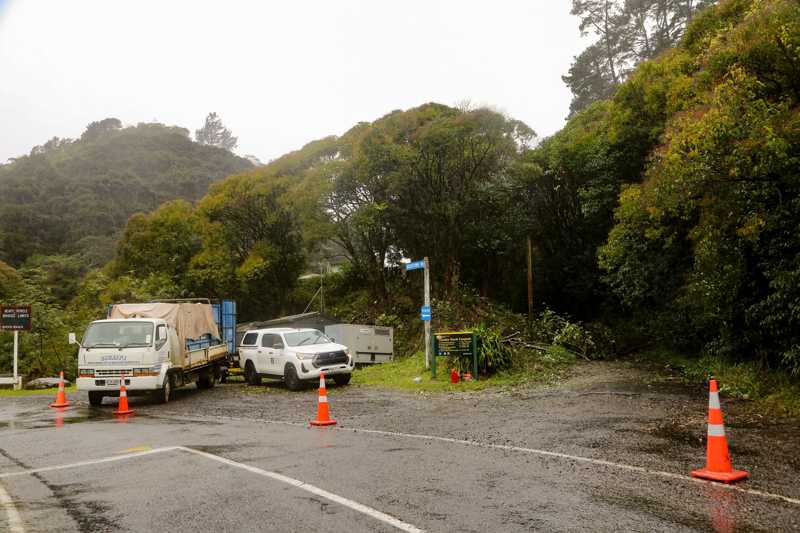
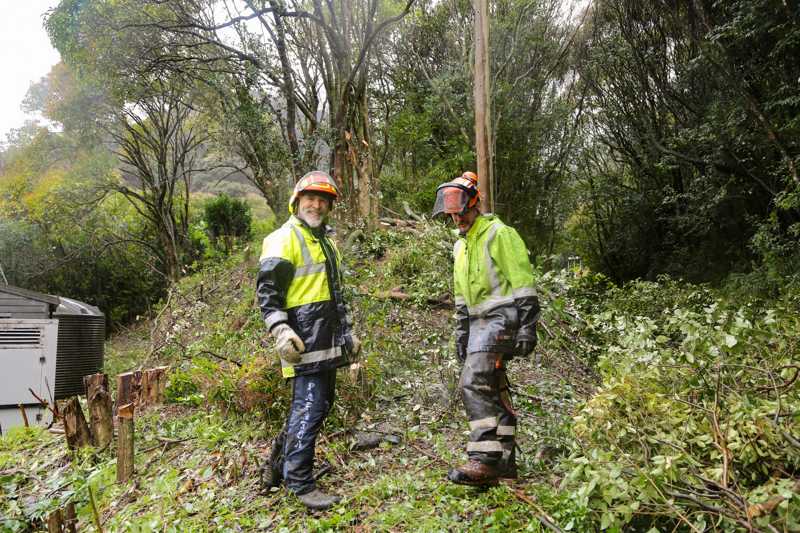
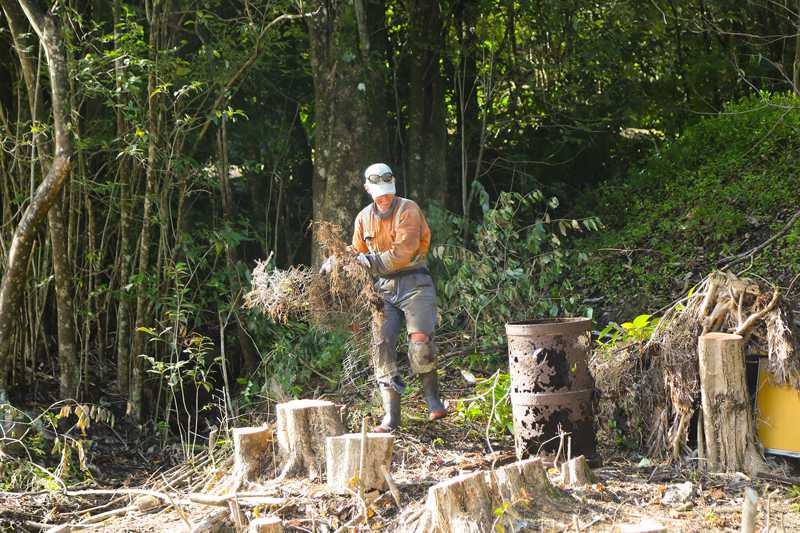

It all comes down to seeds. We can find and remove weeds, but finding seeds is nearly impossible! Best practice methods for long-term weed control follow these steps:
- Remove the source of seeds: We’ve done this by taking out the large, seed-bearing trees.
- Prevent re-growth: All the cut stumps were pasted with herbicide to prevent them sprouting again, but their roots remain in the ground to stabilise the soil.
- Wait: We leave the site to lie fallow for at least one season. This gives the weed seeds a chance to germinate so we can find them.
- Re-weed: Once the weed seeds have germinated and sprouted, we’ll return to remove them.
- Plant: Finally, after we’re confident that most of the weed seeds have been found and removed, it’s time to replant with coloniser native trees.
- Monitor: Coming back to check and recheck any ex-weed site is the most important part of any restoration program. Seeds like privet are viable for at least three years, so rest assured, we’ll be back . . .
Subscribe to our newsletter at the bottom of the page to get updates and notifications about upcoming working bees.
 Thames Environmental Alliance