
July 2025 Newsletter
Kia ora koutou!
I know all newsletters at this time of year start with “I can’t believe it’s winter already”. For me, it’s “I can’t believe it’s planting season again!”. We had a fabulous start to June (wet weather is good for planting, remember) but there’s more good news to come. Read on . . .
Pārawai School working bee with Landcare Trust and Bupa
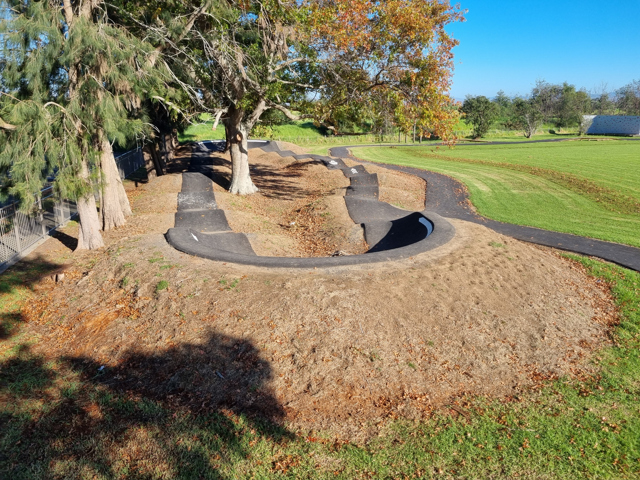
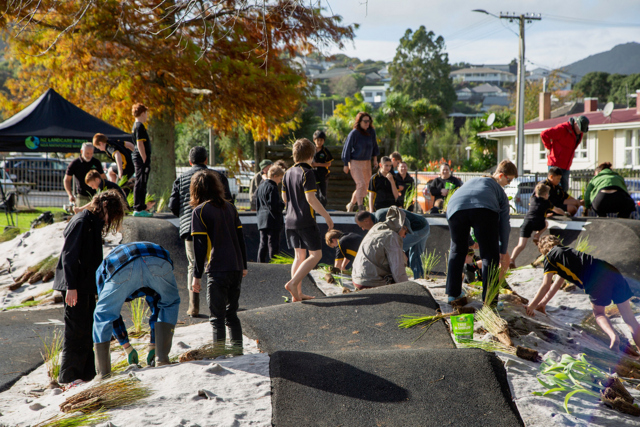
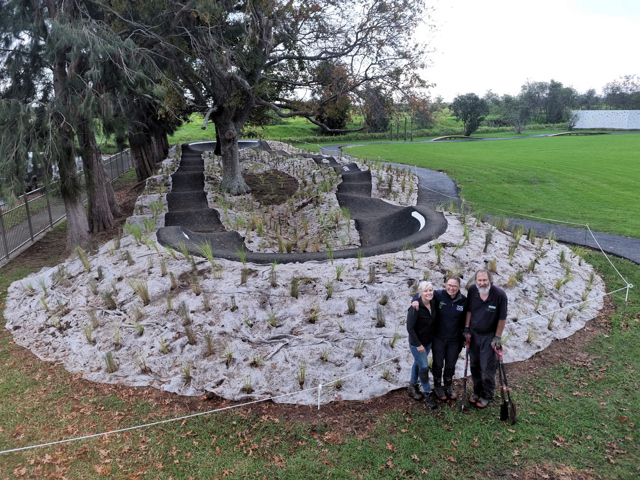
Keeping with the planting theme, June began with the postponed NZLT/Bupa working bee at Pārawai School. 400 square metres of woollen weed mat were laid, 1180 plants planted, with 1180 fertiliser tabs under each plant, by 240 students and teachers, local volunteers from Bupa, Landcare, and TEA. What a difference they have made!

Funding success
We’re so excited to share some recent grant success! We’re a totally volunteer-run group, so while all our resources go into the repair and restoration of our environment, the cash does have to come from somewhere . . .
Privet Pilot Project
We’re now able to begin the Privet Pilot Project. This will take a few years to investigate the best ways to remove the privet, but also to restore the natural vegetation too. It’s important that we take carefully as any vegetation changes – even weed clearing – risks destabilising the soil and re-infestation with other species. The pilot will test different methods of control in a few representative locations so that we can be sure of our bigger picture strategy later on.
Because some of the sites are on private land, this will not be accessible to the general public, but you can be sure we’ll keep you updated!

Do you have tree privet at your place? We’d love to hear from you (and possibly even help you get rid of it!) Please register it at the Landowners’ Privet Registration page.
Karaka Trailhead working bee: 20th July, 10am-1pm
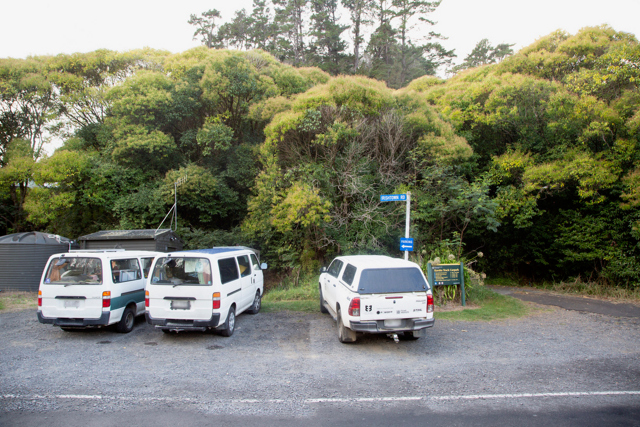
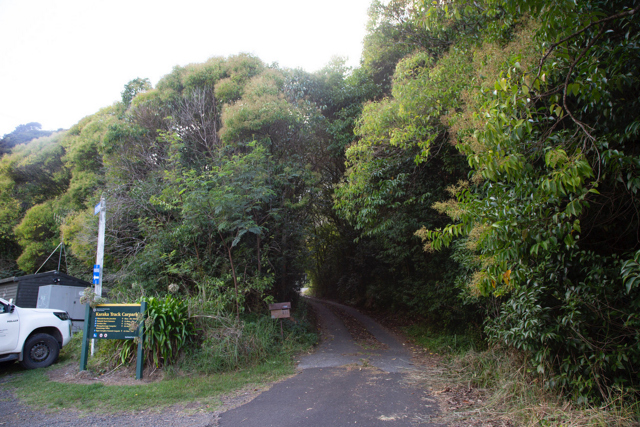
The Karaka Track is a popular walking and mountain biking destination starting from Karaka Road, Thames, but its entrance way and car-park are covered by a canopy of tree privet.
TEA has secured funding from Thames-Coromandel District Council to restore this area, beginning with the removal of the larger weed species (privet, wattle, etc) by a team from Predator Free Hauraki-Coromandel with help from Tree Shapes.
Next, we need your help! We’re running a working bee on 20th July to clean up the area of smaller weeds and replant some of it too.
The majority of the site will remain dormant until next planting season. This allows us to catch the germination of any (many!) weed seeds which remain in the soil even after the trees have been removed, so the natives we plant have the best possible chance to thrive.
Details on the 20th July Karaka Track working bee page. See you there!
John William Hall Arboretum
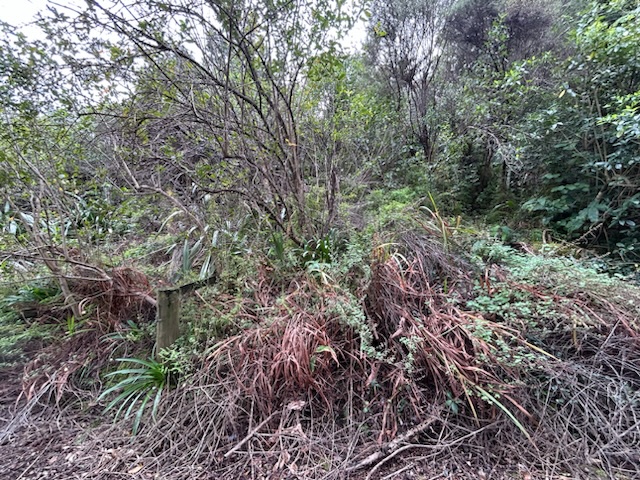
Thanks to support from Thames-Coromandel District Council’s community conservation fund, we’re able to remove invasive weeds at John William Hall Arboretum. This will include clearing some of the bigger weed trees like wattles with the help of Predator Free Hauraki-Coromandel, as well as tidying up the entrance, planting some specimen trees, and helping with another blitz on the climbing asparagus. We look forward to working with the Thames Arboretum Care Group more in the future!
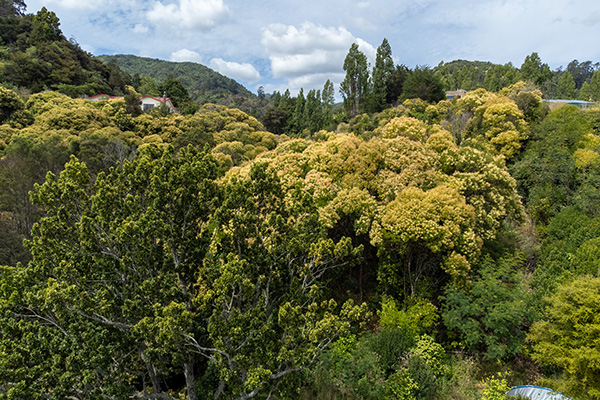
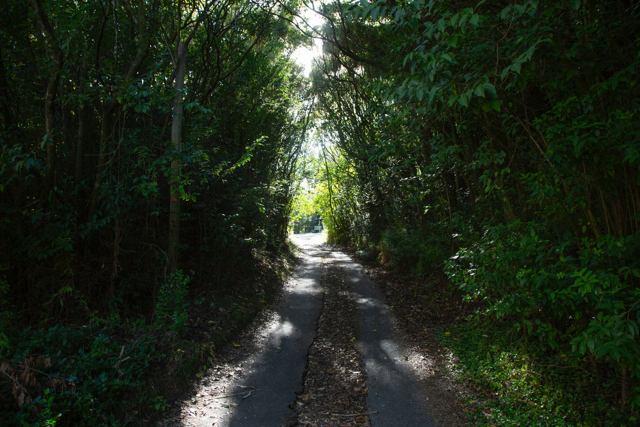
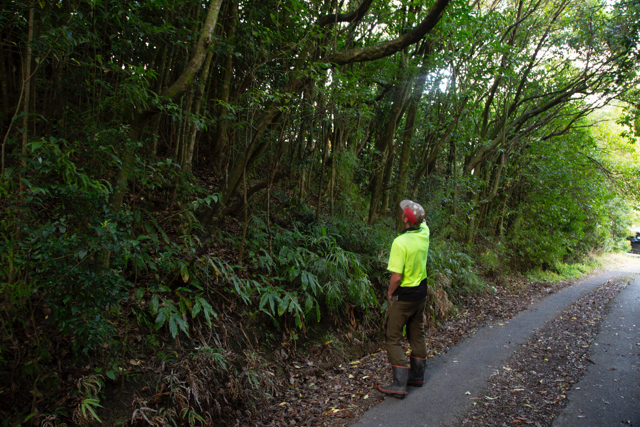
Here’s some photos of the area to be addressed soon. 10 points if you can find the kauri in there . . .

Weed of the month: Tree privet!
Yes, we’re banging on about privet at the moment because it affects both the natural ecosystems around the place, and also affects us as residents and visitors. Nobody wants to see the bush invaded, and nobody wants to sneeze and wheeze their way through the summer months either!
The good news is that we’re getting closer to a plan to tackle it at scale thanks to the Privet Pilot Project, but we’re also looking for ways to help the smaller infestations around Thames too. Please do get in touch and register your privet to learn more.
There’s loads more information on how best to identify and control tree privet at your place on our Tree Privet information page. At this time of year it will still be loaded with viable berries and seeds, so be careful how you dispose of the cuttings!
Do you have tree privet at your place? We’d love to hear from you (and possibly even help you get rid of it!) Please register it at the Landowners’ Privet Registration page.
 Thames Environmental Alliance